Rotator Cuff Repair: Symptoms, Treatment Options, and Recovery
Rotator cuff injuries can result from repetitive use, age-related degeneration, or sudden trauma of shoulders. This article explores conservative treatments, surgical options, potential risks for the treatment options of rotator cuff injuries, and the typical 4–6 month recovery process in a clear, evidence-based framework.
What is the Rotator Cuff and How Does It Get Injured?
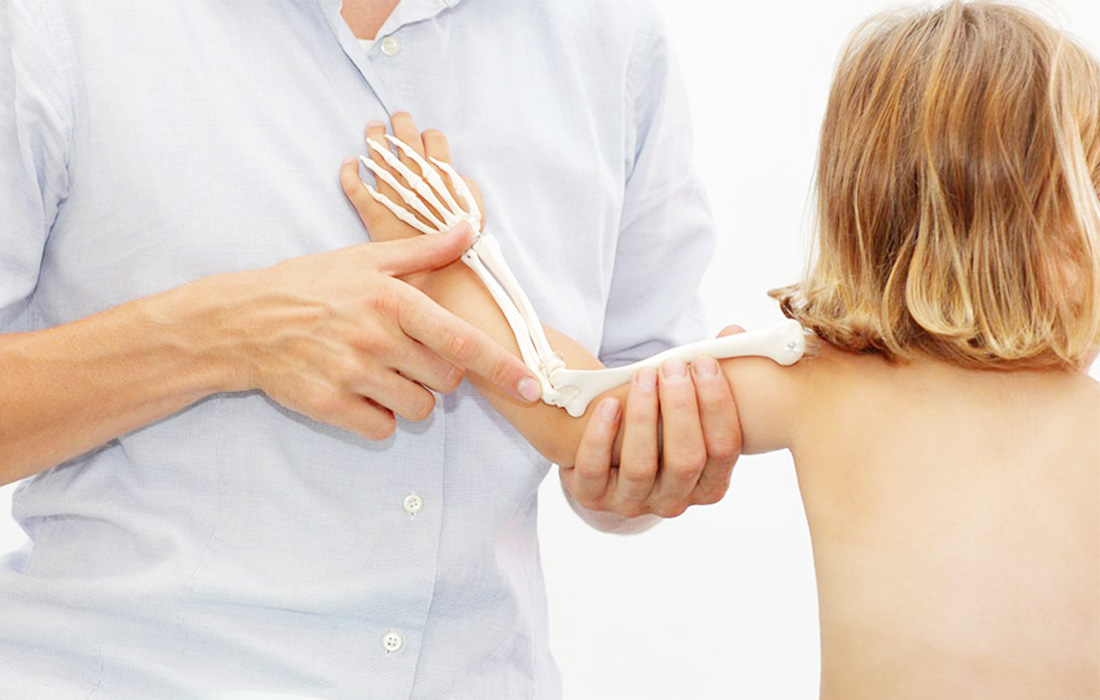
The rotator cuff is a group of muscles and tendons that stabilize the shoulder and allow lifting and reaching movements. According to Johns Hopkins Medicine, injuries may occur suddenly due to falls or gradually through repetitive strain and age-related wear. Athletes and manual laborers are particularly at risk.
Symptoms and First-Line Treatments
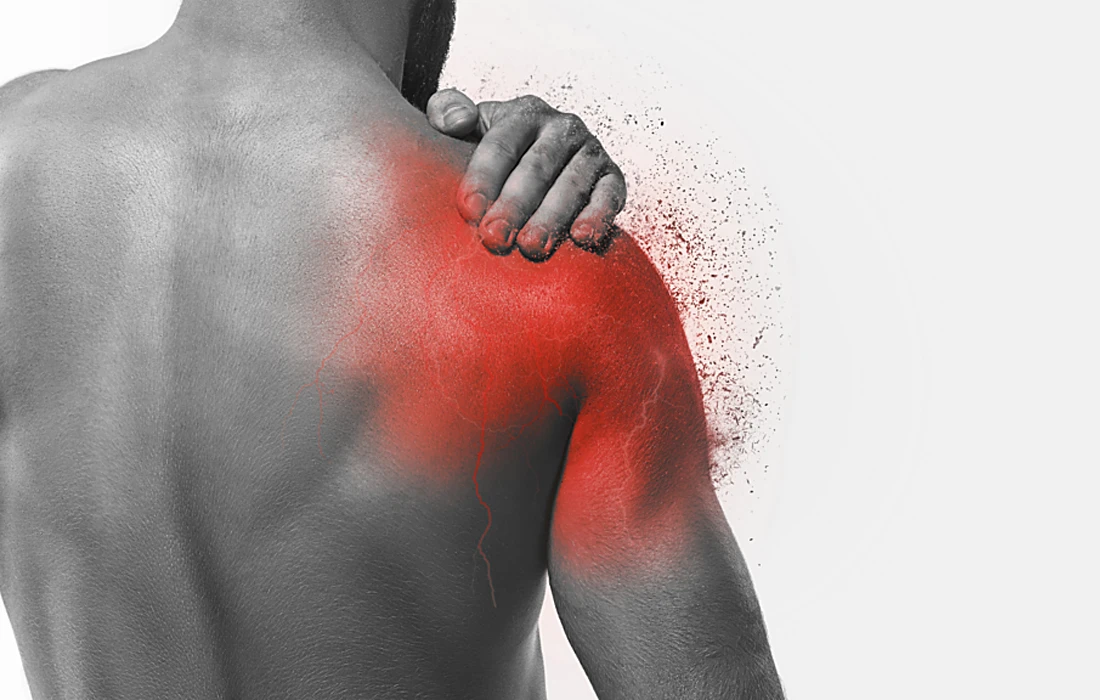
Common symptoms include persistent shoulder pain, limited mobility, and muscle weakness. Initial treatments often involve rest, nonsteroidal anti-inflammatory drugs (NSAIDs), strengthening and stretching exercises, and steroid injections. The American Academy of Orthopaedic Surgeons (AAOS) highlights that these conservative measures can be effective, but surgery may be necessary if symptoms persist.
Surgical Options: Arthroscopy and Open Repair
Rotator cuff repair may involve shaving bone spurs and reattaching torn tendons to the humeral head. Arthroscopic techniques use small incisions and a camera for minimally invasive repair, while open surgery may be necessary for larger tears. In severe cases, tendon grafts or joint replacement may be required. The Mayo Clinic notes that recovery depends on the severity of the tear and the chosen surgical technique.
Risks and Anesthesia Choices
Potential risks include bleeding, infection, blood clots, persistent pain, limited range of motion, and nerve or vessel injury. Anesthesia may be general (asleep) or regional (numb shoulder), depending on the procedure.
Preparation, Surgery Day, and Early Care
Preoperative evaluation includes medical history, physical exam, and diagnostic tests. Blood-thinning medications may need to be paused. On surgery day, vital signs are monitored, incisions are cleaned, and repairs are performed. Postoperatively, patients may use a sling, keep the incision clean, take prescribed pain relievers, and apply ice to reduce swelling.
Rehabilitation and Recovery Timeline
Rehabilitation focuses on restoring strength, flexibility, and shoulder function through guided exercises. Full recovery typically takes 4–6 months. Driving and other activities should only resume with surgeon approval. Warning signs such as fever, redness, drainage, or numbness require immediate medical attention.