Chronic Shoulder Instability: Causes, Symptoms, and Treatment Options
Chronic shoulder instability is one of the most important factors causing a decline in quality of life. The shoulder joint is the most mobile joint in the human body. Its wide range of motion allows us to lift our arms overhead, reach behind our backs, and rotate in multiple directions. While this flexibility is essential for daily activities and athletic performance, it also makes the shoulder vulnerable to instability.
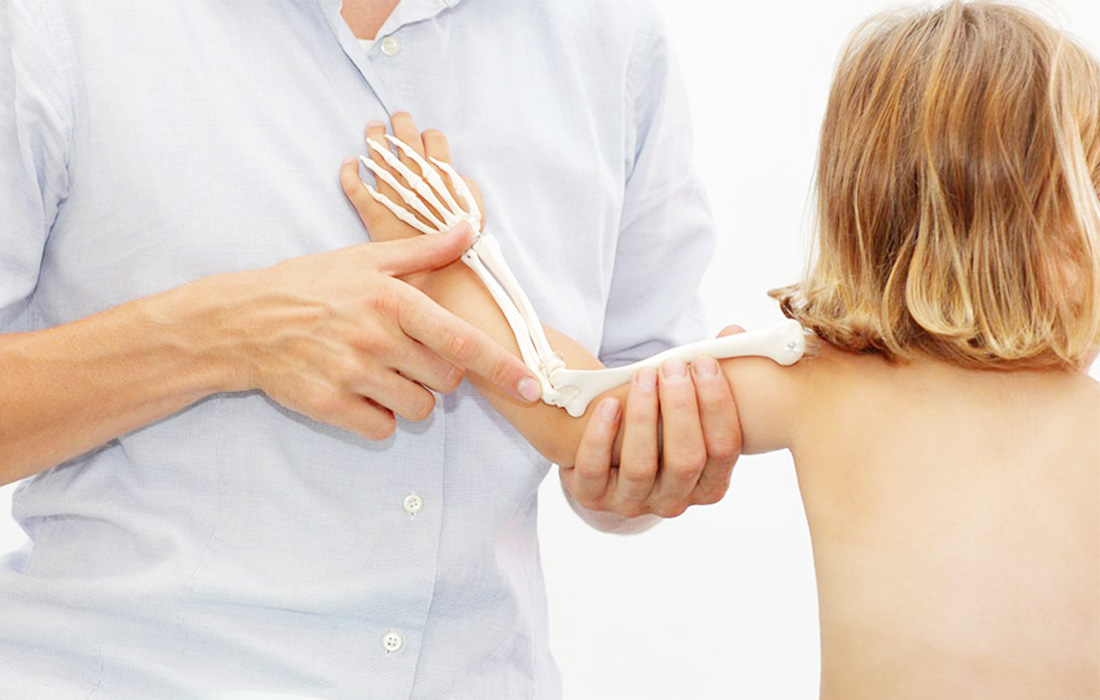
Chronic shoulder instability occurs when the head of the humerus (upper arm bone) repeatedly slips out of the glenoid (shoulder socket). This condition often begins with a traumatic dislocation, but once the shoulder has dislocated, it becomes more prone to future episodes. Athletes in sports such as swimming, tennis, and volleyball are particularly at risk due to repetitive overhead movements.
Causes of Chronic Shoulder Instability
- Traumatic dislocation: A fall or sudden impact can force the shoulder out of its socket.
- Bankart lesion: A tear in the labrum, the cartilage rim that stabilizes the socket.
- Hyperlaxity: Naturally loose ligaments or overstretched tissues from repetitive motion.
- Multidirectional instability: The shoulder can dislocate in multiple directions, often linked to generalized ligament looseness.
Common Symptoms
- Recurrent shoulder dislocations
- Sensation of looseness or “giving way”
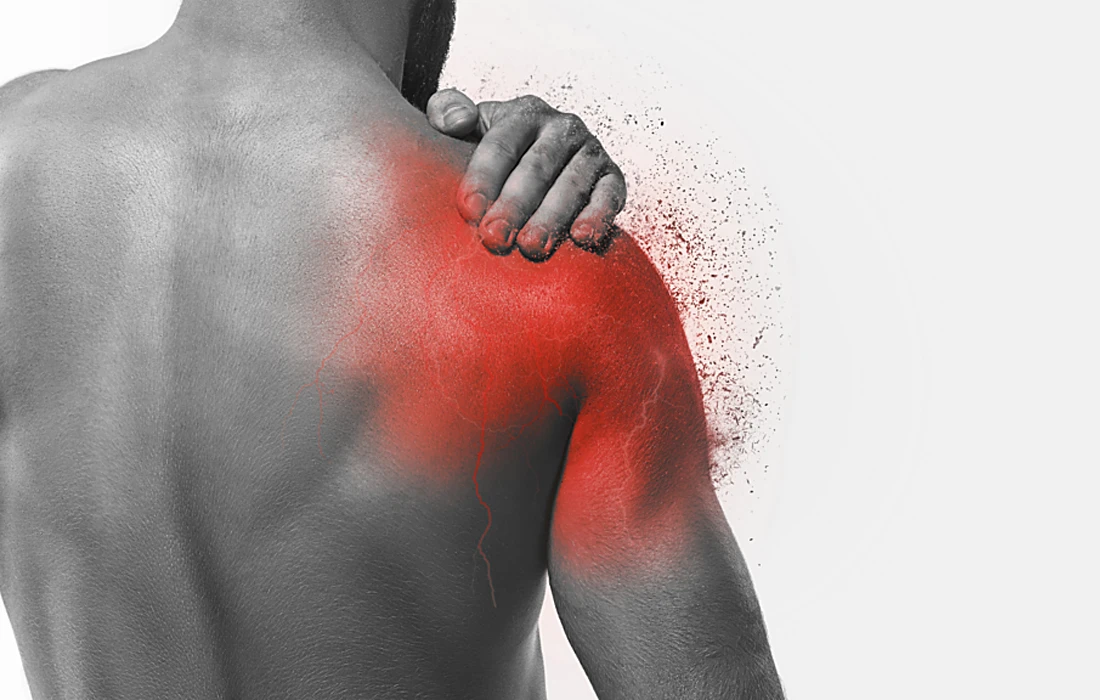
- Pain during movement or after injury
- Difficulty maintaining stability during overhead activities
Diagnosis
Physical Examination
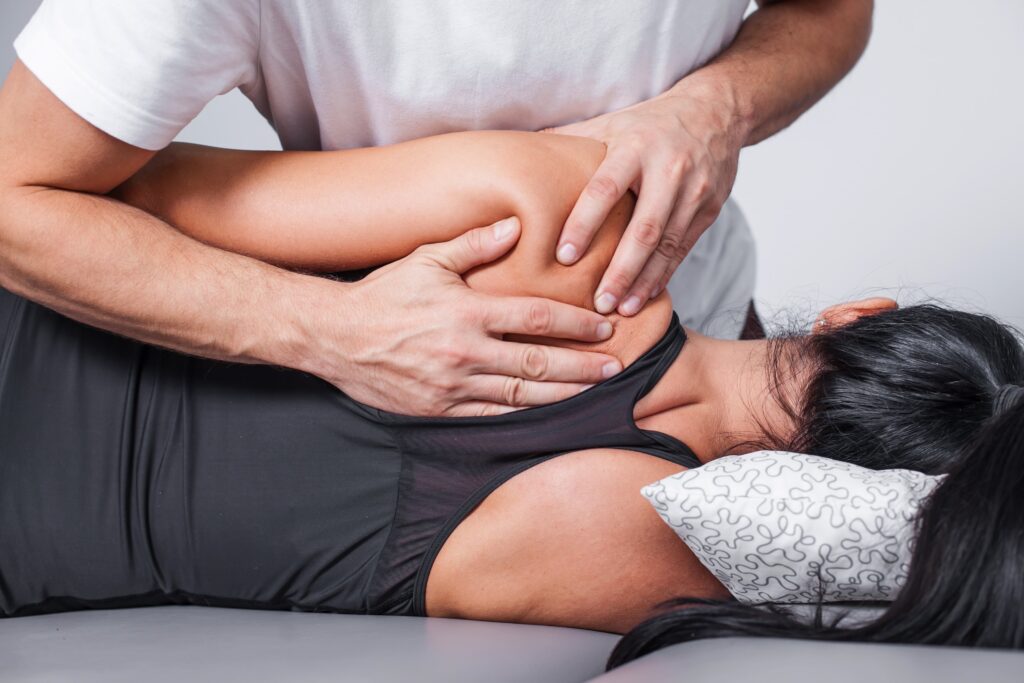
Assessing shoulder stability and ligament laxity.
Imaging Tests
- X-rays to detect bone injuries
- MRI scans to evaluate ligaments, tendons, and labrum tears
- CT scans for bone loss assessment
Arthrogram
Contrast dye injection for detailed imaging of subtle injuries.
Treatment Approaches
Non-Surgical Management
- Activity modification to avoid aggravating movements
- NSAIDs (ibuprofen, naproxen) to reduce pain and inflammation
- Physical therapy to strengthen stabilizing muscles and improve shoulder control
Surgical Management
- Arthroscopy: Minimally invasive repair using a camera and specialized instruments.
- Open surgery: Required for severe cases, involving direct visualization and repair.
- Bankart repair: Reattaching the torn labrum to restore stability.
- Rehabilitation: Gradual strengthening and mobility exercises post-surgery to restore function.
Academic References
- PubMed: Shoulder Instability Overview
- PubMed: Bankart Lesion and Shoulder Dislocation
- PubMed: Arthroscopic Repair Outcomes
- PubMed: Multidirectional Shoulder Instability
- PubMed: Rehabilitation After Shoulder Surgery
Conclusion
Chronic shoulder instability can significantly impact quality of life, especially for athletes and individuals with physically demanding jobs. Early diagnosis, appropriate treatment, and consistent rehabilitation are key to restoring stability and preventing recurrent dislocations. With proper management, most patients can return to their daily activities and sports with confidence.
Contact us for further information about chronic shoulder instability treatment options.